





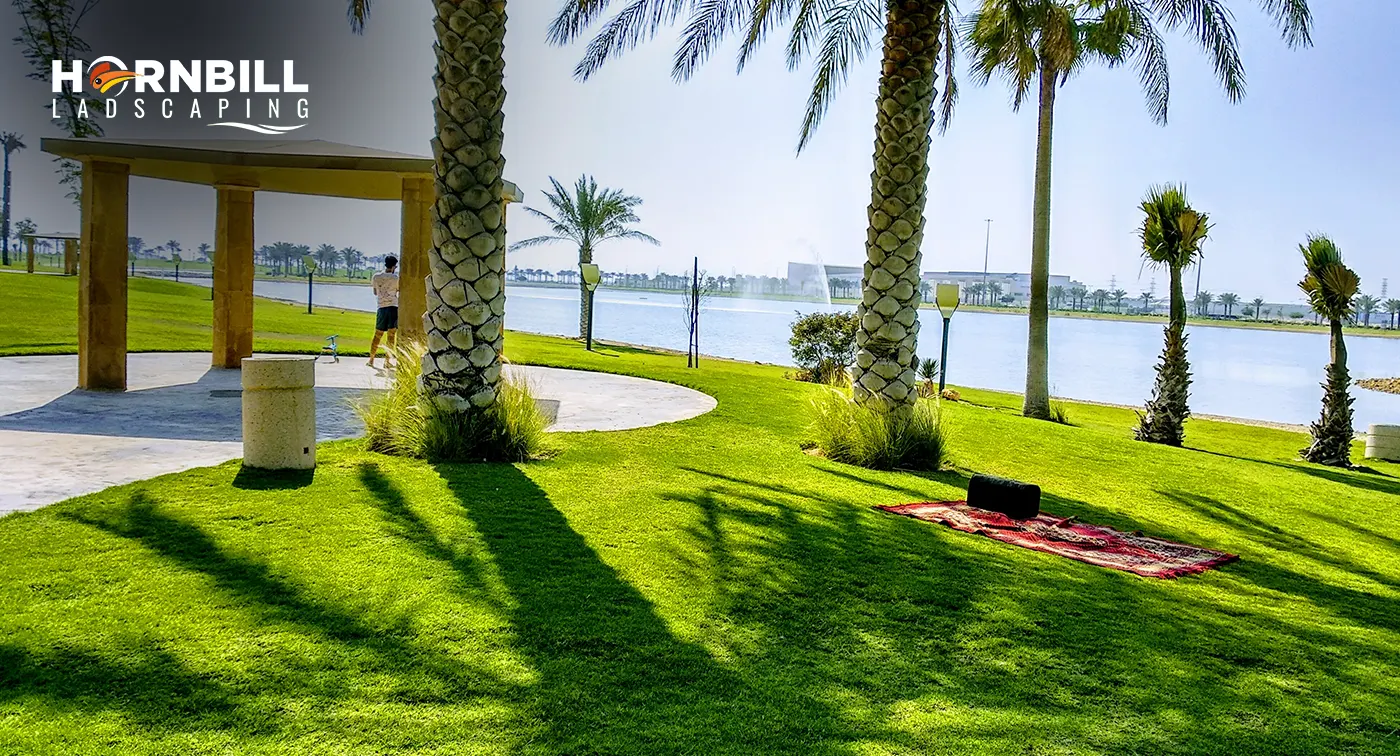
Landscaping in Dubai is more than just aesthetic design it’s a vital element of sustainable living in a harsh desert environment. Given the extreme heat, limited rainfall, and increasing urban development, professional landscaping in Dubai helps create functional, beautiful, and eco-friendly outdoor spaces for villas, commercial buildings, and public areas. It includes soft landscaping (plants, turf, soil), hardscaping (patios, walkways, pergolas), irrigation systems, lighting, and outdoor structures like water features or shaded seating areas.
Due to Dubai’s climate, landscaping must be adapted to withstand high temperatures and conserve water. This has led to a rise in demand for drought-resistant plants, smart irrigation systems, and sustainable design practices. In addition to lowering surrounding temperatures and improving air quality, landscaped areas provide much-needed green space for relaxation and outdoor living, especially during the cooler months. Landscaping also plays a significant role in increasing property value and enhancing curb appeal.
A wide range of landscaping services is available in Dubai, from basic garden setup to luxury outdoor transformations. Leading companies offer 2D/3D design visualization, complete landscape execution, and ongoing maintenance through Annual Maintenance Contracts (AMCs). These services are tailored to suit private villas, residential communities, commercial spaces, and even rooftop or terrace gardens. Costs vary based on the complexity and scale of the project, with high-end projects including imported materials, custom pergolas, and large water features.
When choosing a landscape maintenance in Dubai, it’s essential to consider experience, sustainability practices, design quality, and long-term maintenance. Make sure to view past project portfolios, ask about water-efficient solutions, and clarify what’s included in the contract.
Hornbill Landscaping, the best landscaping company in Dubai not only beautifies your space but also makes it more livable and environmentally responsible in one of the world’s most climate-challenged regions.